

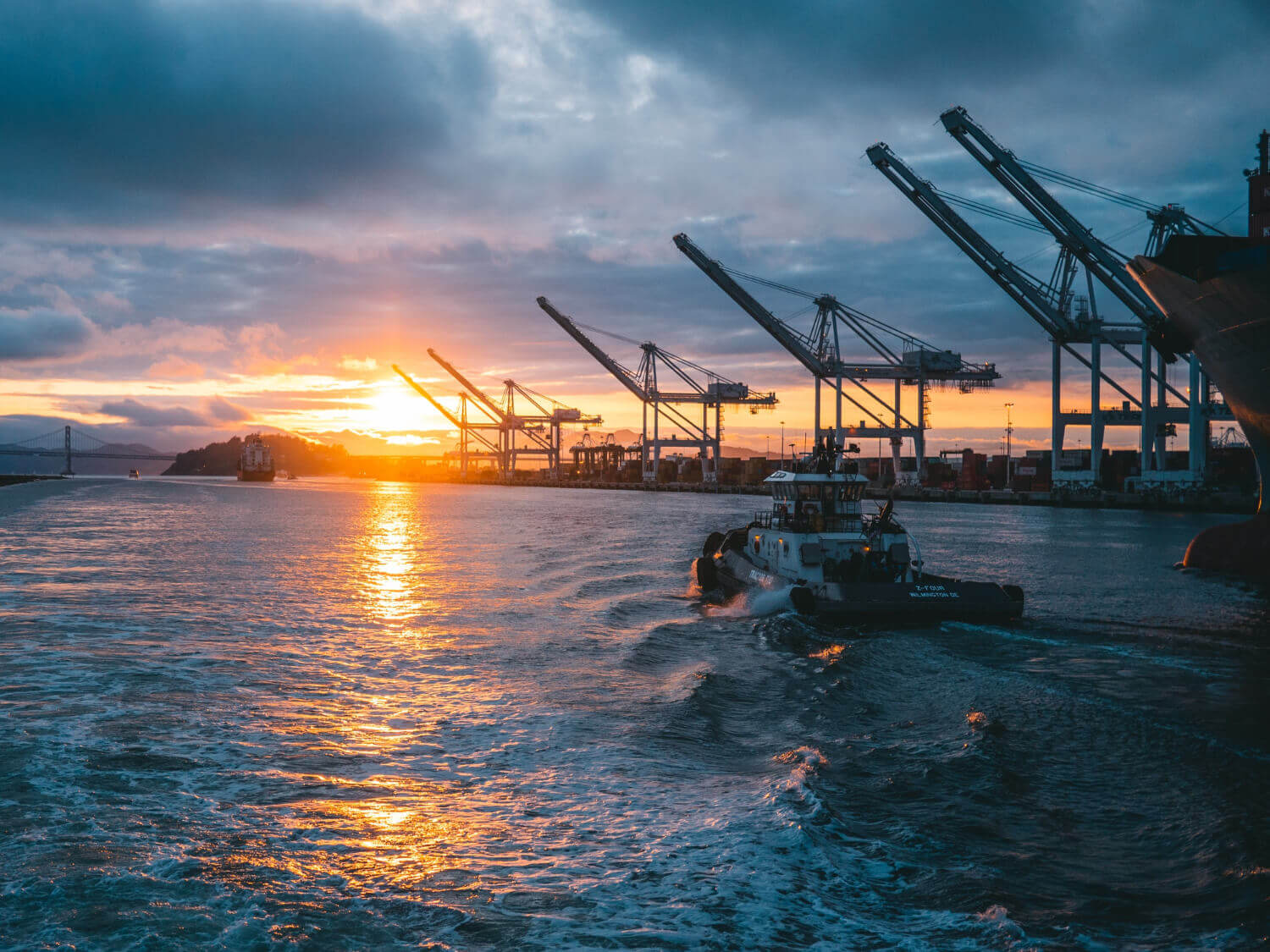
The collapse of a large crane into the Cooper River in Charleston, South Carolina, has renewed conversations about maritime workplace safety across America’s ports, shipyards, and commercial waterfront facilities.
On July 10, 2026, the crane fell into the river near Pier G, prompting the U.S. Coast Guard to establish an emergency safety zone around the site. According to the U.S. Coast Guard, officials restricted access to the area while assessing the submerged equipment, protecting passing vessels, and monitoring potential environmental risks.
Ports And Waterfront Facilities Present Unique Workplace Hazards
America’s ports are complex industrial environments where cranes, commercial vessels, cargo operations, heavy equipment, and dockside workers operate in close proximity every day.
Workers employed at ports, terminals, shipyards, and other waterfront facilities may perform physically demanding jobs around suspended loads, moving cargo, elevated work areas, industrial machinery, and active navigation channels. These conditions make equipment maintenance, communication, training, and workplace safety procedures especially important.
Reporting by ABC News 4 Charleston noted that the cause of the collapse remains under investigation, with initial reports indicating severe weather may have contributed to the crane falling into the river. The Coast Guard also advised boaters to monitor maritime safety broadcasts and exercise caution while navigating near the affected area.
Maritime Incidents Can Affect Workers, Vessels And Commercial Operations
When heavy equipment collapses at a busy maritime facility, the impact can extend beyond the immediate worksite.
Submerged equipment may create navigation hazards for commercial vessels, while fuel or hydraulic fluids can raise environmental concerns. Emergency safety zones and salvage operations may also temporarily disrupt vessel traffic while authorities work to secure the area.
According to Live 5 News, the Coast Guard initially warned mariners about hazards from submerged wreckage and established a safety zone surrounding Pier G. Officials later determined that commercial shipping could resume nearby, although vessel traffic may require temporary pauses once the salvage operation begins. No personnel were reported injured.
The coordinated response illustrates how a single incident can require involvement from federal authorities, port stakeholders, environmental response teams, vessel operators, and salvage crews.
Heavy Equipment Safety Requires Ongoing Attention
Cranes are essential to modern port and maritime operations, allowing workers to move large amounts of cargo and equipment efficiently. However, their size, weight, and proximity to workers and vessels mean that equipment failures or collapses can create serious risks.
Regular inspections, preventive maintenance, weather monitoring, proper operator training, and clear communication between workers can all play an important role in reducing preventable incidents.
Baird Maritime reported that the exposed portion of the submerged crane was marked with flashing lights while mariners were urged to maintain a sharp lookout when traveling through the area. The report emphasized that the crane remained a submerged navigation hazard while authorities coordinated the response.
Maritime Workplace Incidents Can Create Lasting Challenges
Although no injuries were reported in the Charleston crane collapse, incidents involving heavy maritime equipment can have serious consequences when workers are caught beneath falling machinery, struck by cargo, exposed to hazardous materials, or injured during emergency response and salvage operations.
Workplace accidents may leave maritime employees facing emergency medical treatment, lost income, rehabilitation, chronic pain, and uncertainty about their ability to return to physically demanding work.
They may also raise complicated questions about employer responsibilities, equipment maintenance, workplace procedures, and the legal protections available to workers depending on where and how the incident occurred.
George Vourvoulias On Maritime Workplace Safety
“America’s ports are essential to our economy, but they are also complex industrial workplaces where safety must remain a constant priority,” said George Vourvoulias of The Maritime Injury Law Firm.
“Workers operating around cranes, cargo, commercial vessels, and heavy equipment face risks that most people never see. Proper maintenance, training, communication, and emergency planning are critical to protecting the people who keep these operations moving.”
Vourvoulias, who represents injured maritime workers throughout the United States, says incidents involving heavy equipment should be carefully investigated even when workers avoid serious injury.
“When a major piece of equipment collapses, the fact that no one was hurt is incredibly fortunate. It should also create an opportunity to understand what happened, identify any safety lessons, and determine whether additional precautions could help prevent a future incident with a far more serious outcome.”
Available For Media Interviews And Confidential Consultations
George Vourvoulias is available to comment on maritime workplace safety, port and shipyard accidents, crane and heavy equipment incidents, commercial vessel operations, employer responsibilities, maritime investigations, and the legal rights of injured maritime workers.
Maritime employees injured while working at ports, shipyards, waterfront facilities, or aboard commercial vessels may benefit from understanding their legal rights and available legal options.
For media inquiries, interview requests, or to schedule a confidential consultation, contact The Maritime Injury Law Firm at (504) 584-6300.