

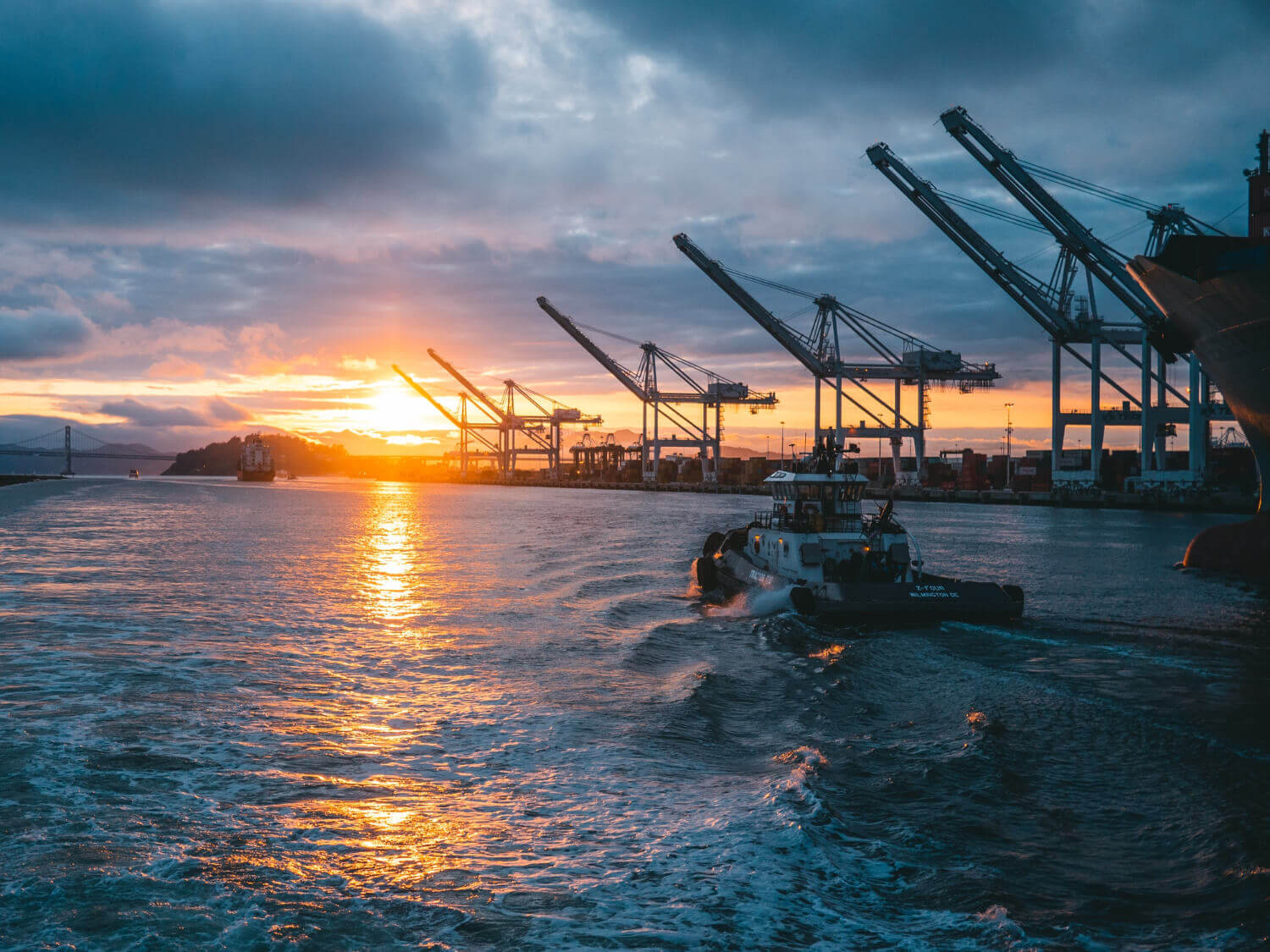
Dangerous summer temperatures across the United States are renewing concerns about heat-related illnesses in outdoor workplaces, particularly highlighting the importance of Extreme Heat Safety for Maritime Workers to ensure their protection.
According to the Occupational Safety and Health Administration (OSHA), the agency recently updated its National Emphasis Program on indoor and outdoor heat hazards, increasing its focus on industries where workers face an elevated risk of heat-related illness. More recently, Cal/OSHA reminded employers to take proactive steps to protect employees during periods of extreme heat, reinforcing that heat-related illness remains one of the most preventable workplace hazards in the United States.
For those in the maritime industry, understanding Extreme Heat Safety for Maritime Workers is key to mitigating risks associated with high temperatures.
Maritime Workers Face Unique Heat-Related Challenges
While extreme heat affects workers across many industries, maritime employees often face unique challenges while working aboard commercial vessels, offshore platforms, tugboats, barges, docks, and other waterfront operations.
Many maritime workers spend long hours performing physically demanding tasks in direct sunlight while wearing heavy personal protective equipment and working around machinery that can generate additional heat. Metal decks, enclosed engine rooms, limited shade, long shifts, and physically demanding work can significantly increase the risk of heat exhaustion, dehydration, heat stroke, and other heat-related illnesses.
According to OSHA’s Heat Illness Prevention Campaign, thousands of workers become sick from occupational heat exposure every year, and many of those illnesses are preventable through proper planning, hydration, rest breaks, and worker education. Safety officials continue encouraging employers to ensure workers are properly acclimatized to high temperatures and trained to recognize the early warning signs of heat-related illness.
Heat Safety Requires Planning And Preparation
As temperatures continue climbing across much of the country, workplace safety experts say preparation is one of the most effective ways to reduce heat-related injuries.
The National Weather Service recommends that employers and workers closely monitor weather conditions, drink water frequently, schedule regular rest breaks, and recognize the symptoms of heat exhaustion and heat stroke before they become medical emergencies. During periods of excessive heat, adjusting work schedules, increasing access to shade, and encouraging workers to report symptoms early can significantly reduce the risk of serious illness.
For maritime employers, protecting crews often requires balancing operational demands with the health and wellbeing of workers who may spend extended periods performing strenuous work in challenging environmental conditions. Unlike many land-based workplaces, maritime employees may spend days or even weeks at sea where immediate medical assistance may not always be readily available, making prevention even more critical.
Heat Safety Benefits Workers And Employers
Protecting workers from extreme heat is not only a workplace safety issue but also an operational one. Heat-related illnesses can affect concentration, reaction times, physical performance, and decision-making, increasing the risk of workplace accidents in already demanding environments.
Whether crews are working aboard commercial ships, offshore energy platforms, tugboats, or loading cargo at ports, taking reasonable precautions before temperatures become dangerous can help reduce preventable injuries while supporting safer working conditions across the maritime industry.
As summer temperatures continue affecting much of the United States, safety professionals encourage employers to review heat illness prevention plans, communicate regularly with workers, and ensure crews have the resources needed to perform their jobs safely.
George Vourvoulias On Heat Safety In The Maritime Industry
“Maritime workers don’t have the option of stepping into an air-conditioned office when temperatures rise,” said George Vourvoulias of The Maritime Injury Law Firm.
“Many spend long hours working on exposed decks, docks, offshore platforms, and commercial vessels where extreme heat can quickly become a serious workplace hazard. Employers should be proactive in recognizing those risks and taking reasonable steps to help protect their crews.”
Vourvoulias, who represents injured maritime workers throughout the United States, says heat safety should be viewed as an important part of overall workplace safety rather than simply a seasonal concern.
“Protecting maritime workers starts long before an emergency occurs. Simple precautions like proper hydration, adequate rest breaks, monitoring weather conditions, and ensuring workers understand the warning signs of heat illness can make a meaningful difference. Every employer has a role to play in creating a safer workplace, especially during periods of extreme heat.”
Available For Media Interviews And Confidential Consultations
George Vourvoulias is available to comment on maritime workplace safety, heat-related workplace injuries, offshore worker safety, employer responsibilities, maritime law, and the legal rights of injured maritime workers.
Maritime workers who suffer workplace injuries may benefit from understanding their legal rights and available legal options.
For media inquiries, interview requests, or to schedule a confidential consultation, contact The Maritime Injury Law Firm at (504) 584-6300.
