Louisiana Tugboat Injury Lawyer

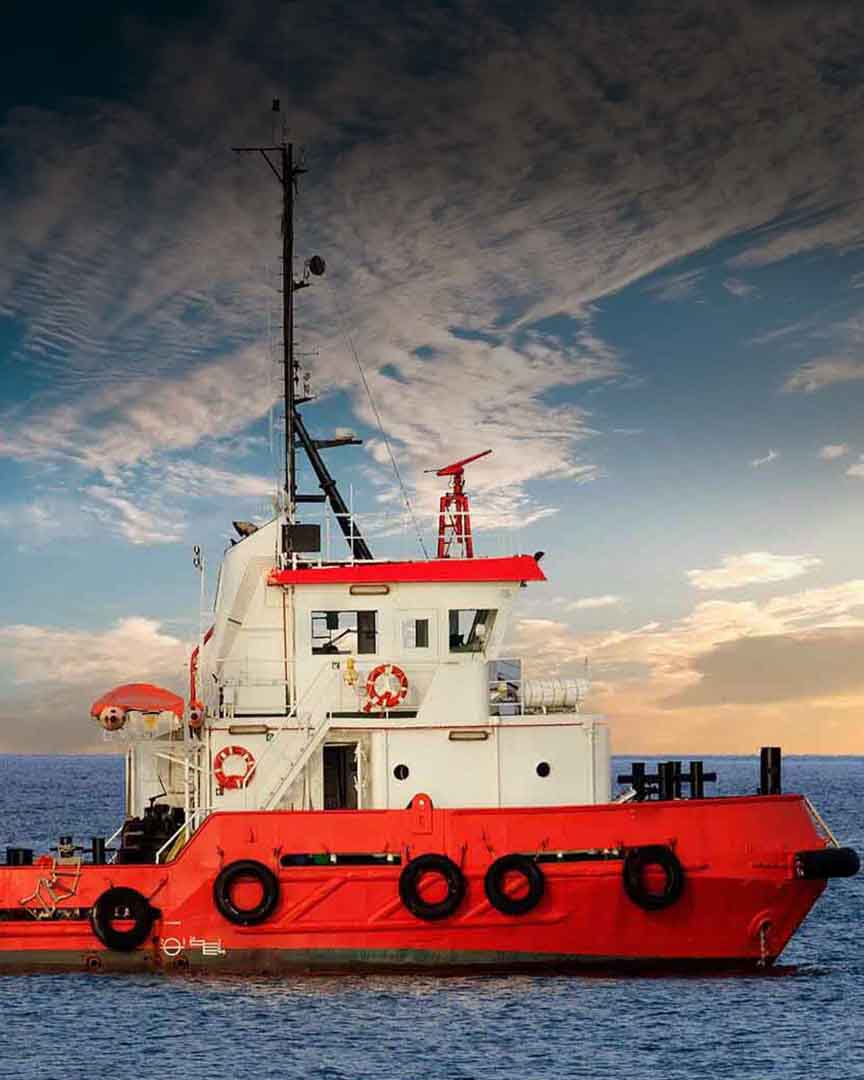
Tugboats and towboats are the workhorses of Louisiana’s maritime economy. They push barge tows of up to 40 barges up and down the Mississippi, through the Gulf Intracoastal Waterway, and across the bayous and waterways of South Louisiana. It is physically demanding, relentless, dangerous work — and the people who do it deserve a lawyer who understands exactly what they face when something goes wrong.

At The Maritime Injury Law Firm, George Vourvoulias has spent 20 years representing deckhands, mates, engineers, tankermen, and captains injured on tugboats and towboats throughout Louisiana. He has won a $1,600,000 jury verdict for a deckhand on the Mississippi River — the sole survivor of a collision that sank his vessel and killed his three crewmates. He knows this industry. He knows how to fight for you.
Call (504) 584-6300 — free consultation, 24/7. No fee unless we win.

The Tugboat Industry in Louisiana

Louisiana’s inland waterway system is one of the busiest in the world. The Mississippi River, the Atchafalaya, the Red River, the Calcasieu, and the Gulf Intracoastal Waterway together form a commercial corridor that carries hundreds of millions of tons of cargo annually — grain, petroleum, chemicals, aggregates, steel coil, and more. Tugboats and towboats move this commerce 24 hours a day, 365 days a year.

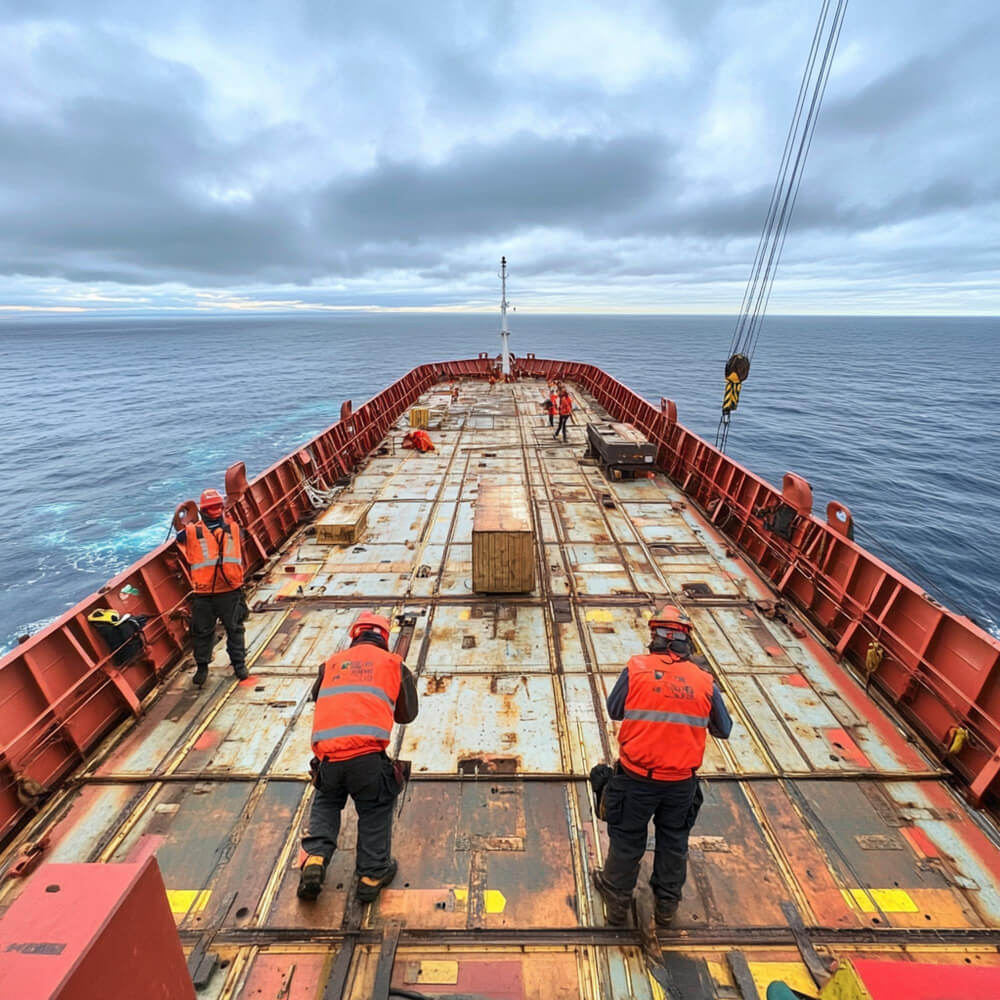
The work is unforgiving. Towing operations require precise handling in narrow channels, at locks, in strong currents, and in all weather. Deckhands work in the dark, in rain, on wet decks, handling heavy lines and equipment at close quarters with massive barge tows. Fatigue from short-handed crews and long watch schedules is a constant factor. And when something goes wrong on the water, emergency response is far away.

Common tugboat and towboat operators in Louisiana include Acadian Towboats, Crosby Tugs, Weber Marine, Marquette Transportation, Kirby Inland Marine, ACBL, Blessy Marine, and dozens of smaller operators throughout the river parishes and Gulf Coast. 

Causes of Tugboat Injuries in Louisiana

Mooring line and tow wire accidents

Snap-back injuries from parted mooring lines and tow wires are among the most catastrophic injuries in the tugboat industry. A line under heavy load that parts or slips a capstan can strike a deckhand with tremendous force, causing amputations, crush injuries, and death. These accidents are frequently caused by worn or defective equipment, failure to use proper line-handling procedures, and insufficient crew.

Vessel collisions and allisions

The Mississippi River and its tributaries see constant barge traffic in narrow channels with strong currents and limited visibility around bends. Collisions between vessels and collisions with fixed structures — bridges, lock gates, dock facilities — are an ongoing hazard. When a collision occurs, crew members can be thrown, struck by cargo, or trapped on a sinking vessel.

Lock transit injuries

Louisiana has more than two dozen locks on its waterway system. Lock transits require deckhands to work with lines while the tow is maneuvered into tight quarters. A deckhand’s hand or foot can be crushed between barges, a limb can be caught in a line, or a worker can be pinned between a vessel and a lock gate if a strong outdraft causes unexpected movement. These injuries are often caused by inadequate crew size and poor lock transit procedures.

Slip and fall on deck

Tug and towboat decks are constantly exposed to water, oil, and fuel. Non-skid surfaces wear down, drainage is inadequate, and lighting at night is often poor. Slip and fall injuries on tugboats cause serious back injuries, hip fractures, and head injuries — particularly when the fall occurs at the edge of a deck or into the water.

Fatigue-related accidents

Tugboat crews often work six-hours-on, six-hours-off watch schedules for 28-day hitches. This chronic sleep deprivation impairs judgment, reaction time, and physical coordination. Many serious tugboat accidents — particularly groundings, collisions, and line-handling errors — have fatigue as a contributing cause. Employers who operate with insufficient crew or who fail to enforce rest requirements may be liable for injuries caused by fatigued workers.

Crane and cargo operations

Tugboats assisting in cargo operations and offshore platform moves use cranes and rigging that present serious injury risk. A swinging load, a failed sling, or a communications breakdown between crane operator and rigger can result in crush injuries, struck-by injuries, and deaths.

Your Rights as a Towboat Crew Member

If you work as a deckhand, mate, engineer, tankerman, cook, or captain on a tugboat or towboat in Louisiana and you spend at least 30% of your work time on the vessel, you are a seaman under the Jones Act. That status gives you rights that no other American worker has.

  • The Jones Act allows you to sue your employer for negligence — with the lowest burden of proof of any law in the United States
  • Unseaworthiness doctrine holds the vessel owner absolutely liable for unsafe vessel conditions, regardless of fault
  • Maintenance and cure requires your employer to pay your living expenses and all medical costs from the day you are injured until maximum medical improvement — no matter who was at fault
  • You have the right to choose your own doctor — not the company doctor
  • You can recover medical expenses, lost wages, lost earning capacity, pain and suffering, and mental anguish

What to Do After a Tugboat Injury

  1. Report in writing immediately. Fill out an injury report describing every unsafe condition. Be thorough — this document becomes evidence.
  2. Document everything. Photograph the scene, equipment, and your injuries. Get witness names. Note what supervisors said and did.
  3. Don’t give a recorded statement. The company’s adjuster works for them, not you. Don’t speak to them before calling an attorney.
  4. Choose your own doctor. You have a legal right to an independent physician. Company doctors are financially aligned with your employer.
  5. Call us before signing anything. Early settlement offers are almost always worth a fraction of case value. Call (504) 584-6300 first.

Results

Neal v. International Offshore Services, LLC — Jury Verdict: $1,600,000. Deckhand on the Mississippi River, sole survivor of a vessel collision that killed three crewmates.
Edwin J. Turcios v. LaPorte Plumbing & Heating — Cash Settlement: $442,725.

What Tugboat Workers Say

"George represented me when I got injured working on a tow boat. The company was playing pretty rough with me, but George was able to get them to provide my medical care and got me a large settlement."

— Curtis Watson, Lead Deckhand

"I was working on the Mississippi River as a deckhand when we were collided with by an upbound vessel pushing 40 barges. I was the only survivor. George's plan worked and he got a settlement that covered me for the rest of my life."

— Nate Dugan, Deckhand

Why George Vourvoulias

  • Masters Degree in Admiralty, Tulane University Law School, New Orleans
  • 20+ years practicing exclusively in maritime and offshore injury law
  • Admitted to U.S. District Courts for Eastern, Middle, and Western Districts of Louisiana and the Fifth Circuit
  • Member: Trial Lawyers College, Louisiana State Bar, New Orleans Bar, International Society of Barristers
  • 100% contingency fee — no fee unless we recover for you
  • You work directly with George — not a paralegal or associate
The Maritime Injury Law Firm - Representing Offshore Workers - tugboat

Serving Tugboat Workers Across Louisiana

We represent tugboat and towboat crew members injured anywhere on Louisiana’s waterway system — the Mississippi River, Atchafalaya River, Red River, Calcasieu River, the Gulf Intracoastal Waterway, and all connecting waterways. We also handle cases originating at Port Fourchon, the Port of New Orleans, the Port of South Louisiana, and all other Louisiana port facilities.

Frequently Asked Questions About Tugboat Injuries in Louisiana

I was injured while coupling barges at a lock. Is that covered by the Jones Act?

Yes. Lock transit operations — uncoupling and reconnecting barge tows at Louisiana locks — are among the most dangerous routine tasks in the tugboat industry. Injuries during these operations are fully covered by the Jones Act as long as you qualify as a seaman. The fact that the injury occurred in a lock rather than on open water does not affect coverage.

My employer says the accident was my fault. Can I still recover?

Yes. The Jones Act uses a comparative fault system — any negligence by the employer that contributed to your injury, however slight, is sufficient for liability. Even if you were partially at fault, you can still recover. Your damages are reduced by your percentage of fault, but not eliminated. Employers routinely overstate worker fault to minimize payouts.

The company is saying I wasn’t a seaman because I sometimes worked on shore. Do I have a claim?

Possibly, yes. The seaman status test looks at your work pattern across your employment relationship — not just at the moment of injury. If you spent at least 30% of your work time aboard a vessel or fleet of vessels in navigation and your work contributed to the vessel’s mission, you likely qualify. Employers frequently challenge seaman status to deny Jones Act coverage. We have won that argument many times.

How long do I have to file a tugboat injury claim?

Three years from the date of injury under the Jones Act. However, waiting weakens your case. Evidence disappears, vessel logs can be altered, and witnesses become unavailable. Call us as soon as possible after your injury.

Contact a Louisiana Tugboat Injury Lawyer

If you were injured on a tugboat or towboat in Louisiana, you have real rights and real options. George Vourvoulias has spent 20 years fighting for tug and towboat crew members against the same companies and insurers you’re now dealing with. Call today.

Call (504) 584-6300 — free and confidential, 24/7

Let us help you right the ship.

Click or call (504) 584-6300 to schedule a free and confidential consultation
SCHEDULE A FREE AND CONFIDENTIAL CONSULTATIONCALL (504) 584-6300

Send Us a Message