Louisiana Offshore Supply Vessel Injury Lawyer

Offshore supply vessels (OSVs) and crew boats are the lifelines of Gulf of Mexico deepwater operations. They deliver drilling equipment, fuel, water, food, chemicals, and crew to platforms and rigs operating hundreds of miles offshore — often in sea states that would keep most vessels in port. The workers who crew these vessels face a combination of physical demands and maritime hazards that few other industries match.

At The Maritime Injury Law Firm, George Vourvoulias has 20 years of experience representing OSV and crew boat workers injured in the Gulf of Mexico and Louisiana coastal waters. From Port Fourchon to the outer continental shelf, he knows the operations, the operators, and the legal framework that applies to every type of supply vessel claim.
Call (504) 584-6300 — free consultation, 24/7. No fee unless we win.

The OSV and Crew Boat Industry in Louisiana

Port Fourchon, located in Lafourche Parish, is the primary support base for Gulf of Mexico deepwater oil and gas operations — servicing approximately 90% of deepwater Gulf production. Hundreds of OSVs and crew boats transit between Port Fourchon and offshore facilities daily, operating in conditions that range from flat calm to Gulf storm seas.

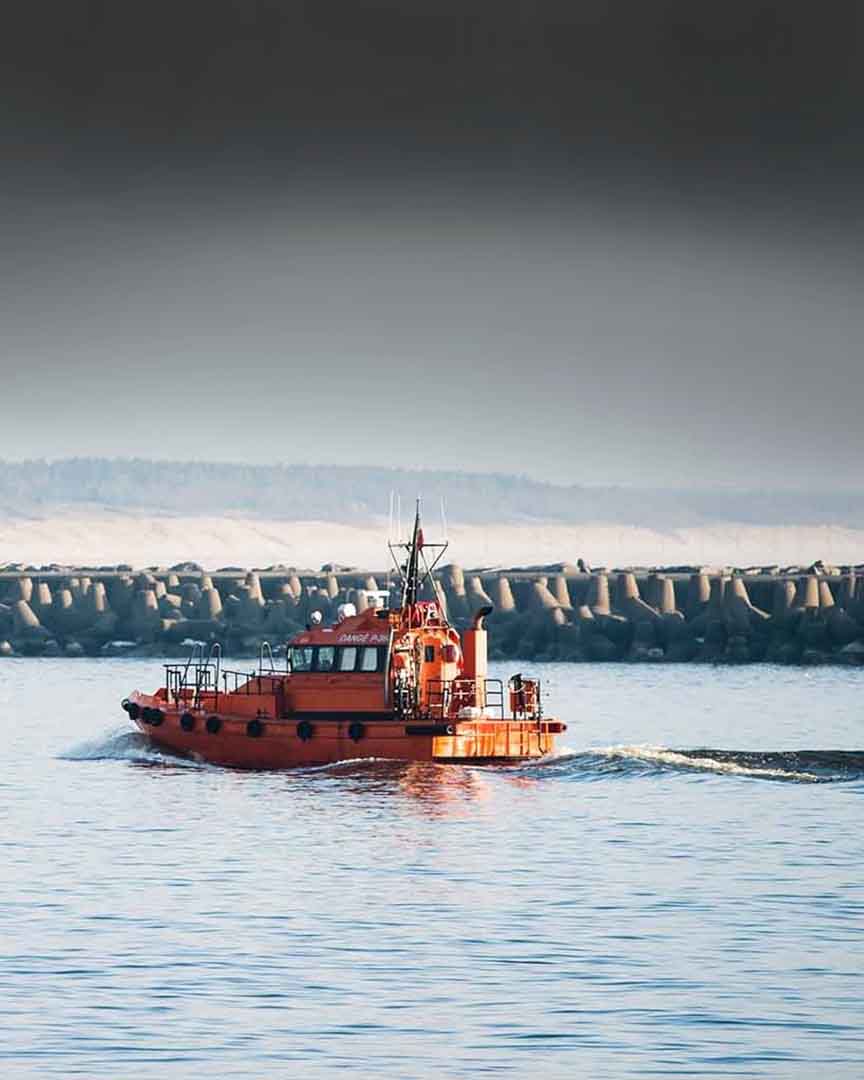
OSVs range from anchor handling tug supply vessels (AHTS) — which move drilling rigs and set anchors — to platform supply vessels (PSVs) that deliver deck cargo, bulk liquids, and drilling fluids to fixed platforms and MODUs. Crew boats, fast supply vessels (FSVs), and utility vessels shuttle personnel and light cargo on faster schedules.

Major OSV and crew boat operators in Louisiana include Edison Chouest Offshore, Hornbeck Offshore, Tidewater Marine, Jackson Offshore, SEACOR Marine, Harvey Gulf International, and many smaller operators based in Galliano, Golden Meadow, and Cocodrie. 

Common OSV and Crew Boat Injuries

Basket transfer and gangway accidents

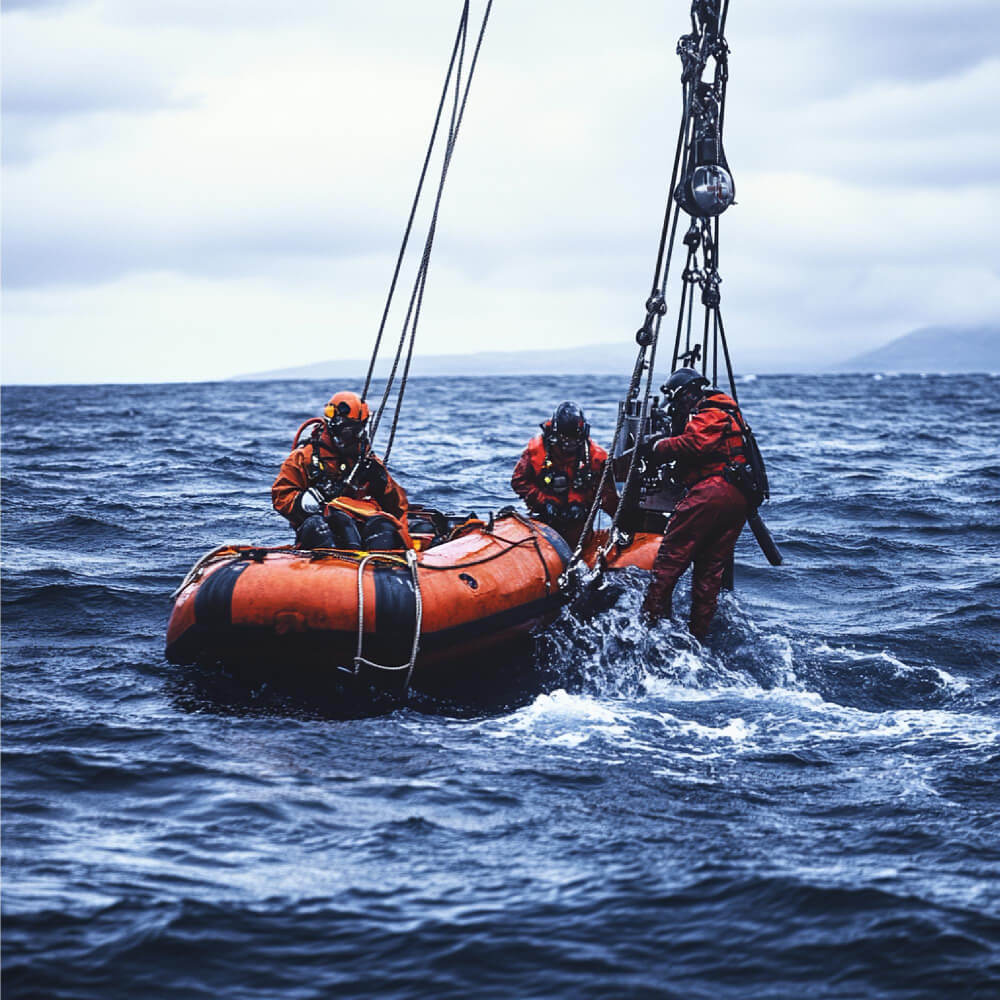
Personnel transfers between vessels and platforms — whether by personnel basket, gangway, or accommodation ladder — are among the highest-risk operations in offshore supply. A basket transfer in a heavy sea state requires precise coordination between crane operator, vessel captain, and the person being transferred. A mistimed wave, a communication failure, or defective basket rigging can drop a worker, swing them into a structure, or submerge them in the water. These accidents frequently cause catastrophic injuries.

Deck operations in heavy weather

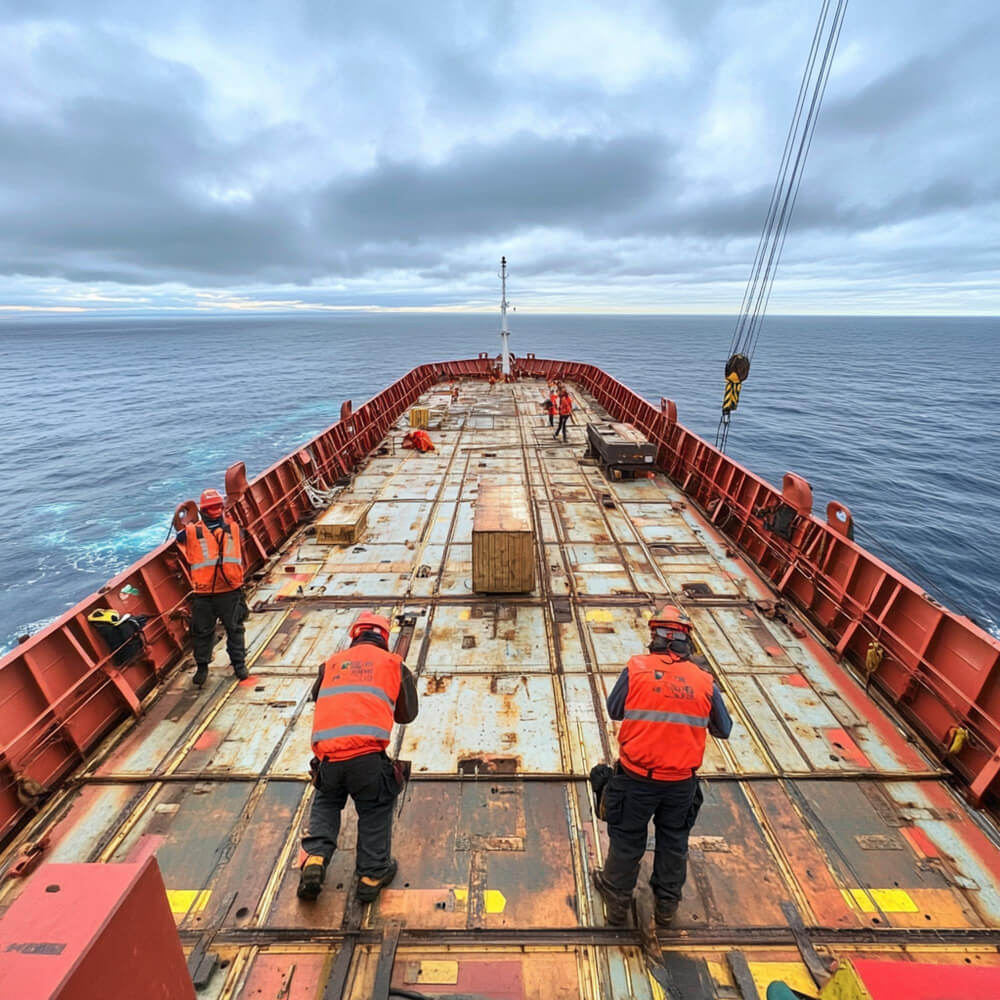
Supply vessel deck operations — loading and unloading cargo, handling bulk hoses, working with deck cranes — continue in sea states that would be considered dangerous in most industries. Crew members on OSV decks work in rolling, pitching conditions on surfaces that are wet with seawater and petroleum. Slip and fall injuries, struck-by injuries from shifting cargo, and crane accidents are consistent hazards.

Crane and rigging failures

OSV deck cranes handle enormous loads in challenging conditions. Crane failures — mechanical malfunctions, overloading, wire rope failures, and operator error — can drop loads onto deck workers, swing loads into personnel, and cause capsize risk in extreme cases. Crane operator certification and regular equipment inspection are required; failures in either are a basis for negligence and unseaworthiness claims.

Fatigued piloting and navigation errors

OSV captains and officers work demanding watch schedules on long Gulf transits. Fatigue-related navigation errors — allisions with structures, collision with other vessels, and groundings — injure crew members who have no control over vessel navigation. These cases often involve both Jones Act claims against the employer for the negligent piloting and unseaworthiness claims for vessel navigation equipment failures.

Man overboard

Falls overboard from OSVs in open Gulf waters are extremely dangerous. Water temperature, current, distance from shore, and the time required to execute a man-overboard recovery all work against the injured worker. OSV operators are required to maintain current, practiced man-overboard procedures. Failure to do so — or failure to maintain proper deck guardrails and personal flotation equipment — creates serious liability.

Your Jones Act Rights as an OSV or Crew Boat Worker

OSV and crew boat crew members who spend at least 30% of their working time aboard a vessel in navigation are Jones Act seamen. This covers deckhands, able seamen, crane operators, engineers, motormen, and cooks and stewards who serve aboard these vessels. The Jones Act provides:

  • The right to sue your employer for negligence with the maritime law’s uniquely low burden of proof
  • Unseaworthiness claims against vessel owners for unsafe vessel conditions
  • Maintenance and cure — daily living expenses and all medical costs from injury to maximum medical improvement
  • Full damages including lost earning capacity and pain and suffering
  • The right to choose your own independent physician

What to Do After an OSV or Crew Boat Injury

  1. Report in writing immediately. Fill out an injury report describing every unsafe condition. Be thorough — this document becomes evidence.
  2. Document everything. Photograph the scene, equipment, and your injuries. Get witness names. Note what supervisors said and did.
  3. Don’t give a recorded statement. The company’s adjuster works for them, not you. Don’t speak to them before calling an attorney.
  4. Choose your own doctor. You have a legal right to an independent physician. Company doctors are financially aligned with your employer.
  5. Call us before signing anything. Early settlement offers are almost always worth a fraction of case value. Call (504) 584-6300 first.

What Supply Vessel Workers Say

"George represented me when I got injured working on a tow boat. The company was playing pretty rough with me, but George was able to get them to provide my medical care and got me a large settlement."

— Curtis Watson, Lead Deckhand

"I was working on the Mississippi River as a deckhand when we were collided with by an upbound vessel pushing 40 barges. I was the only survivor. George's plan worked and he got a settlement that covered me for the rest of my life."

— Nate Dugan, Deckhand

Why George Vourvoulias

  • Masters Degree in Admiralty, Tulane University Law School, New Orleans
  • 20+ years practicing exclusively in maritime law
  • Licensed in Louisiana; admitted to Eastern, Middle, and Western Districts of Louisiana and the U.S. Fifth Circuit
  • Member: TLC, Louisiana State Bar, New Orleans Bar, International Society of Barristers
  • 100% contingency fee — no fee unless we recover for you
  • You work directly with George — not a paralegal or associate
The Maritime Injury Law Firm - Representing Offshore Workers - tugboat

Frequently Asked Questions About OSV and Crew Boat Injuries

I was injured during a basket transfer. Who is liable?

Basket transfer accidents can involve multiple liable parties: your employer (for failure to maintain safe transfer procedures), the vessel owner (unseaworthiness of the crane or basket rigging), the platform operator (for directing the transfer in unsafe conditions), and the crane operator’s employer if they are a separate entity. George has handled basket transfer cases involving all of these parties simultaneously and knows how to identify the full scope of available recovery.

My injury happened because the captain was pushing too hard in bad weather. What are my options?

Under the Jones Act, your employer is liable for negligence by any crewmember — including the captain. A decision to continue operations in dangerous sea conditions, against the judgment of crew or contrary to company weather policies, is a classic Jones Act negligence scenario. Unseaworthiness claims may also arise if the vessel lacked adequate weather monitoring equipment or if its condition was compromised by weather damage prior to the accident.

I work as a cook on an OSV. Am I covered by the Jones Act?

Yes. Cooks and stewards who serve the crew of an OSV are Jones Act seamen. The Jones Act does not limit coverage to deck or engineering crew — any worker whose duties contribute to the function or mission of the vessel, and who spends at least 30% of work time aboard a vessel in navigation, qualifies. This explicitly includes cooks, utility hands, and other support crew.

Contact a Louisiana OSV and Crew Boat Injury Lawyer

If you were injured on an offshore supply vessel or crew boat in the Gulf of Mexico or Louisiana coastal waters, call The Maritime Injury Law Firm today. Free consultation, no fee unless we win.

Call (504) 584-6300 — free and confidential, 24/7

Let us help you right the ship.

Click or call (504) 584-6300 to schedule a free and confidential consultation
SCHEDULE A FREE AND CONFIDENTIAL CONSULTATIONCALL (504) 584-6300

Send Us a Message