Louisiana Maritime Burn Injury Lawyer

Offshore vessels and platforms operate in an environment of flammable hydrocarbons, high-pressure systems, electrical equipment, and industrial chemicals. A fuel leak, a well control event, an electrical arc, or a chemical spill can produce burns that require multiple surgeries, months of hospitalization, permanent disfigurement, and years of rehabilitation. The psychological impact of severe burns,  chronic pain, post-traumatic stress, body image changes, adds a dimension of suffering that defies easy quantification.

At The Maritime Injury Law Firm, George Vourvoulias has 20 years of experience pursuing full compensation for offshore workers who have been burned. He knows how to document the full medical, vocational, and psychological impact of serious burn injuries and how to hold the companies responsible for the conditions that caused them.

Call (504) 584-6300 — free consultation, 24/7. No fee unless we win.

How Maritime Burn Injuries Happen

Vessel fires and explosions

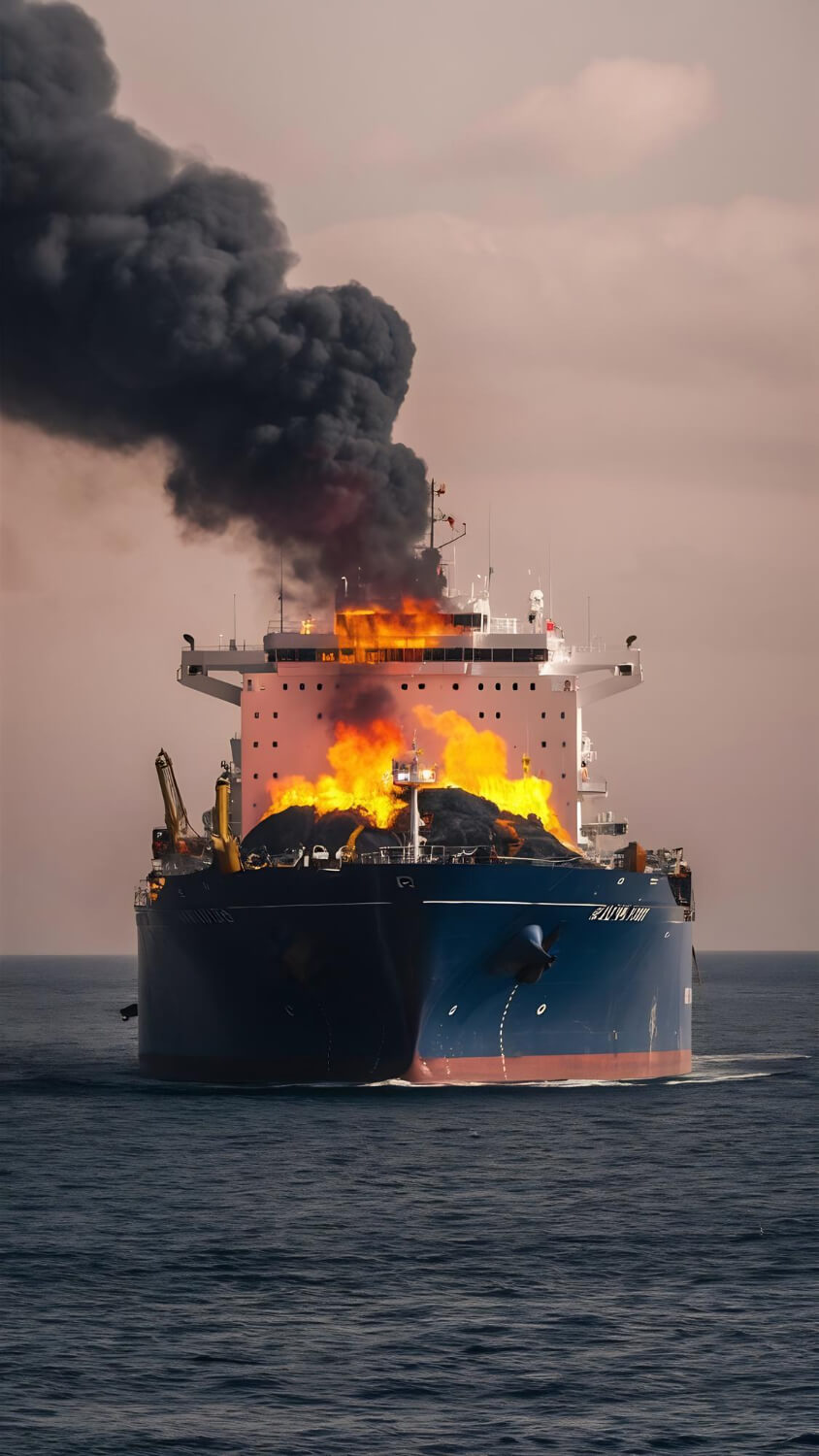
Vessels that carry petroleum products, fuel oil, or chemicals (tankers, tank barges, OSVs) are at constant risk of fire and explosion from fuel vapors, static electricity, and electrical ignition sources. Engine room fires, fuel tank explosions, and galley fires are among the most common maritime burn injury scenarios. Inadequate fire suppression systems, improperly maintained fuel systems, and failure to follow hot work permits are frequent causes.

Well control events and blowouts

When a well kicks, an uncontrolled influx of hydrocarbons from the formation, the resulting blowout can ignite immediately, engulfing the rig in fire. Workers closest to the drill floor and wellhead are at greatest risk of severe burns. Well control failures caused by inadequate mud weight, failure to properly monitor pit levels, or defective blowout preventer equipment create liability for both the drilling contractor and the well operator.

Chemical and caustic burns

Offshore workers are exposed to drilling fluid additives, acid stimulation chemicals, industrial cleaning agents, and hydrocarbon processing chemicals that cause severe chemical burns on contact. Chemical burn injuries often appear less serious than thermal burns in the immediate aftermath — the full extent of tissue damage may not be apparent for 12 to 24 hours — which leads to delayed treatment and worsened outcomes. Inadequate PPE, improperly labeled chemical containers, and absence of emergency eyewash stations are common causes.

Electrical burns and arc flash

Electrical systems on aging Louisiana vessels are frequently maintained below standard, particularly older river towboats and barges. Electrical arc flash incidents produce both thermal burns from the radiated heat of the arc plasma and blast injuries from the arc pressure wave. Electrical burns are often deep, involving injury to underlying tissue that is not apparent from the surface wound.

Steam and scalding injuries

High-pressure steam systems in engine rooms and propulsion plants, and scalding water in galley and accommodations systems, cause serious burns when pipes fail, fittings blow, or pressurized lines are improperly opened. These injuries are frequently caused by deferred maintenance on aging vessel systems.

The Long-Term Impact of Serious Burns

Serious burn injuries require treatment and recovery that extends far beyond the initial hospitalization.

The long-term damages in burn injury cases include:

  • Multiple surgeries: skin grafting, escharotomy, reconstructive procedures, and contracture releases over months or years
  • Permanent disfigurement and scarring: particularly on the face, hands, and visible areas, with lifelong psychological impact
  • Contracture and limited mobility: scarring over joints causes contractures that limit range of motion and require ongoing therapy
  • Chronic pain: burn survivors frequently experience chronic neuropathic pain at graft sites and scarred areas
  • Post-traumatic stress disorder and depression: the psychological sequelae of severe burns are significant and well-documented
  • Career limitation: workers with significant hand burns, respiratory damage, or severe disfigurement may be unable to return to offshore work or find comparable employment
  • Ongoing medical care: scar management, compression garments, psychological treatment, and physical therapy extend over years

George works with burn specialists, plastic surgeons, psychologists, and life care planners to ensure that all future medical costs and their present value are captured in the damages calculation.

The Maritime Injury Law Firm - Representing Offshore Workers - Jones Act tugboat

What to Do After a Maritime Burn Injury

  1. Report in writing immediately. Fill out an injury report describing every unsafe condition. This document becomes critical evidence.
  2. Document everything. Photograph the scene, equipment, and your injuries. Get witness names and contact information.
  3. Don’t give a recorded statement. The company adjuster works for your employer. Do not speak with them before calling an attorney.
  4. Choose your own doctor. You have a legal right to an independent physician. Exercise it from day one.
  5. Call us before signing anything. Early settlement offers are almost always worth a fraction of case value. Call (504) 584-6300 first.
The-Maritime-Injury-law-Maritime-Burn-Injury

Medical documentation in burn cases begins at the emergency department. Make sure that the cause of your injury — the specific incident, the specific equipment or chemical involved — is accurately documented in your initial emergency records. Do not allow the cause to be described vaguely. The medical record is evidence.

Why George Vourvoulias

  • Masters Degree in Admiralty, Tulane University Law School, New Orleans
  • 20+ years practicing exclusively in maritime and offshore injury law
  • Admitted to U.S. District Courts for Eastern, Middle, and Western Districts of Louisiana and the Fifth Circuit
  • Member: Trial Lawyers College, Louisiana State Bar, New Orleans Bar, International Society of Barristers
  • 100% contingency fee — no fee unless we recover for you
  • You work directly with George — not a paralegal or associate
The Maritime Injury Law Firm - Representing Offshore Workers - tugboat

What Louisiana Maritime Workers Say

"George represented me when I got injured working on a tow boat. The company was playing pretty rough with me, but George was able to get them to provide my medical care and got me a large settlement. If you work on boats, like I do, I recommend George Vourvoulias if you are looking for a lawyer who knows maritime law."

— Curtis Watson, Lead Deckhand

"I was working on the Mississippi River as a deckhand when we were collided with by an upbound vessel pushing 40 barges. I was the only survivor. I hired George Vourvoulias and he went to work right away. He listened to my story and came up with a plan on how to deal with the insurance companies and the big boat owners. George's plan worked and he was able to get a settlement that covered me for the rest of my life."

— Nate Dugan, Deckhand

"I hired George Vourvoulias after I suffered a back injury at work and a surgery that left me worse off than I was before. George explained everything to me and guided me through the process."

— Darren Holmes

Frequently Asked Questions About Maritime Burn Injuries

I was burned in an offshore explosion. There were multiple companies on the platform. How do we know who is responsible?

Offshore burn cases involving fires and explosions frequently implicate multiple parties: the vessel owner (unseaworthiness), your employer (Jones Act negligence), the platform operator (negligent well or facility operations), and potentially a third-party contractor whose work or equipment was the ignition source. George conducts a comprehensive investigation of all potentially responsible parties in explosion and fire cases, including review of the incident investigation reports, regulatory inspection records, and equipment maintenance histories.

The company says the explosion was caused by my own mistake. How does that affect my claim?

Under the Jones Act’s comparative fault framework, the employer bears liability for any negligence that contributed to your injury — even if you were also partially at fault. If the explosion was caused in part by inadequate safety procedures, defective equipment, absence of a hot work permit system, or failure to control ignition sources, those failures create employer liability regardless of any worker error. The question is the proportion of fault, not its existence.

What is my burn injury case worth?

Serious burn injury cases are among the highest-value cases in maritime law because the long-term medical costs, permanent disability, and pain and suffering are extensive and well-documented. A case involving full-thickness burns over a significant body surface area, requiring multiple surgeries and producing permanent disfigurement, can be worth millions of dollars when future medical care costs, lost earning capacity, and non-economic damages are fully calculated. A free consultation with George will give you an honest assessment of your specific situation.

Contact a Louisiana Maritime Burn Injury Lawyer

If you suffered burns in an offshore fire, explosion, or chemical incident in Louisiana, call The Maritime Injury Law Firm today. George will fight for the full compensation your injury demands.

Call (504) 584-6300 — free and confidential, 24/7

Let us help you right the ship.

Click or call (504) 584-6300 to schedule a free and confidential consultation
SCHEDULE A FREE AND CONFIDENTIAL CONSULTATIONCALL (504) 584-6300

Send Us a Message