Louisiana Liftboat Injury Lawyer

Liftboats are a uniquely Gulf of Mexico vessel type; self-propelled, self-elevating workboats that use retractable legs to jack themselves above the waterline and provide a stable work platform for well intervention, maintenance, construction, and other offshore operations. Louisiana is the center of the liftboat industry in the United States, with major operators based in Galliano, Golden Meadow, and Fourchon.

Liftboat operations involve serious and specific hazards, like, leg failure, structural collapse, extreme weather exposure, crane accidents, and the constant risk of falling from elevated platforms over open water. Workers on liftboats deserve a lawyer who understands these operations specifically, not just offshore work in general.
Call (504) 584-6300 — free consultation, 24/7. No recovery, no fee.

The Liftboat Industry in Louisiana

Louisiana is home to the largest concentration of liftboat operations in the world. Major liftboat operators based in South Louisiana include All Coast LLC, Aries Marine Corporation, Offshore Liftboats LLC, and others operating throughout the Gulf of Mexico’s shallow to mid-water zones. These companies provide liftboat services to oil and gas operators, pipeline companies, wind energy developers, and the Coast Guard.

Liftboats serve critical roles in the Gulf: they provide elevated work platforms for well intervention and workover operations, serve as temporary accommodations for offshore crews during platform construction and maintenance, and support pipeline inspection and repair. The work requires crew members to operate on elevated structures above open water, often in sea conditions that exceed comfortable operating limits.

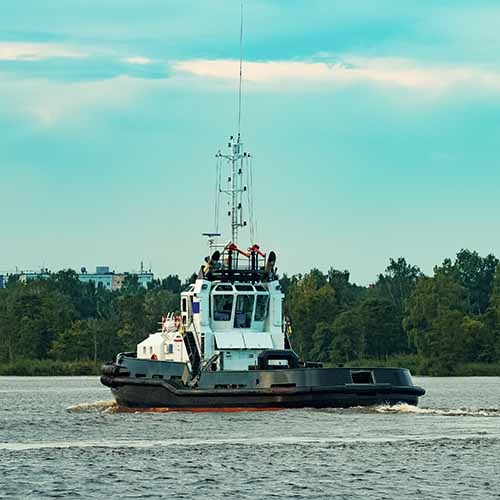
The Maritime Injury Law Firm - Representing Offshore Workers - tugboat

Liftboat Hazards and Common Injuries

Leg failure and structural collapse

Liftboat legs penetrate the seafloor to provide a stable elevated platform. Unexpected seabed conditions — soft spots, shell beds, and uneven bottoms — can cause a leg to suddenly punch through the seabed, resulting in a rapid, catastrophic list or capsize. Leg punch-through accidents have killed and seriously injured liftboat crew members in the Gulf. These cases involve claims based on inadequate seabed surveys prior to deploying legs and failure to follow industry stability protocols.

Falls from elevated work platforms

Liftboat operations require crew to work on elevated decks and platforms that may be 30 to 80 feet above the waterline. Falls from these heights are almost always catastrophic. Inadequate guardrails, failure to require fall protection equipment, and poor deck maintenance are consistent causes of liftboat fall injuries.

Crane accidents

Liftboat cranes handle equipment and personnel transfers in sea conditions that challenge crane stability. Crane failures on liftboats, particularly those caused by inadequate maintenance, overloading, or operator error in poor conditions, cause serious struck-by and crush injuries to crew and platform workers.

Weather-related incidents

Liftboats in the Gulf of Mexico face significant weather hazards during hurricane season. Workers who are aboard when severe weather strikes, whether due to late departures, failed weather forecasting, or decisions to remain on location against good judgment, can be injured by structural failure, falling equipment, or the vessel’s emergency response to rapidly deteriorating conditions.

Slip and fall on elevated decks

Liftboat decks elevated above the water are exposed to sea spray, rain, and wind. Non-skid surfaces that are worn, improperly maintained, or inadequate for the conditions create slip and fall hazards with serious fall consequences given the elevation of liftboat working platforms.

Are Liftboat Workers Covered by the Jones Act?

Yes. Liftboats are vessels under the Jones Act. They are self-propelled, Coast Guard-documented vessels that navigate between locations under their own power. Workers who spend at least 30% of their work time aboard a liftboat in navigation — including time when the liftboat is jacked up and deployed at a work site — qualify as Jones Act seamen.

This is one area where employers have historically tried to argue that jacked-up liftboats are not vessels, attempting to push workers toward LHWCA coverage with its more limited recovery. Louisiana courts have generally rejected this argument for liftboats, which are Coast Guard-inspected vessels regardless of their deployment status.

What to Do After a Liftboat Injury

  1. Report in writing immediately. Fill out an injury report describing every unsafe condition. Be thorough — this document becomes evidence.
  2. Document everything. Photograph the scene, equipment, and your injuries. Get witness names. Note what supervisors said and did.
  3. Don’t give a recorded statement. The company’s adjuster works for them, not you. Don’t speak to them before calling an attorney.
  4. Choose your own doctor. You have a legal right to an independent physician. Company doctors are financially aligned with your employer.
  5. Call us before signing anything. Early settlement offers are almost always worth a fraction of case value. Call (504) 584-6300 first.

Why George Vourvoulias

  • Masters Degree in Admiralty, Tulane University Law School, New Orleans
  • 20+ years practicing exclusively in maritime law
  • Licensed in Louisiana; admitted to Eastern, Middle, and Western Districts of Louisiana and the U.S. Fifth Circuit
  • Member: TLC, Louisiana State Bar, New Orleans Bar, International Society of Barristers
  • 100% contingency fee — no fee unless we recover for you
  • You work directly with George — not a paralegal or associate
The Maritime Injury Law Firm - Representing Offshore Workers - tugboat

Frequently Asked Questions About Liftboat Injuries

The liftboat I was injured on was jacked up, not floating. Does the Jones Act still apply?

Yes, for liftboats. Unlike jack-up drilling rigs, where the vessel vs. platform question is genuinely contested, liftboats have consistently been found to be vessels under the Jones Act regardless of whether they are afloat or elevated on their legs. This is because liftboats are self-propelled, Coast Guard-inspected vessels that regularly move between locations. Your employer may try to argue otherwise to limit your recovery. Don’t accept that argument without getting independent legal advice.

The liftboat leg failed and the vessel capsized. How do I pursue a claim?

Leg punch-through and stability failure cases involve claims against your employer for Jones Act negligence (including failure to conduct proper pre-deployment seabed surveys), unseaworthiness claims against the vessel owner for inadequate stability systems and safety equipment, and potentially third-party claims against the operator who directed the liftboat’s work location. These are complex cases that require early investigation to preserve evidence before the vessel is repaired or relocated.

Contact a Louisiana Liftboat Injury Lawyer

If you were injured on a liftboat in the Gulf of Mexico or Louisiana waters, The Maritime Injury Law Firm is ready to evaluate your case. Call today — free and confidential.

Call (504) 584-6300 — free and confidential, 24/7

Let us help you right the ship.

Click or call (504) 584-6300 to schedule a free and confidential consultation
SCHEDULE A FREE AND CONFIDENTIAL CONSULTATIONCALL (504) 584-6300

Send Us a Message