Louisiana Commercial Fishing Vessel Injury Lawyer

Louisiana’s commercial fishing industry is one of the most productive in the United States — and one of the most dangerous. Shrimpers, oystermen, crabbers, finfish harvesters, and their crew work long hours in physically demanding conditions on vessels that are often old, overworked, and inadequately maintained. When a commercial fisherman is injured, they often have less access to legal information and financial resources than offshore energy workers — and they face employers who know it.

At The Maritime Injury Law Firm, George Vourvoulias represents injured commercial fishermen throughout Louisiana and the Gulf Coast. One in every 70 jobs in Louisiana is related to the seafood industry. These workers deserve the same fierce advocacy that offshore energy workers receive — and George provides it.

Call (504) 584-6300 — free consultation, 24/7. No fee unless we win.

Louisiana's Commercial Fishing Industry

Louisiana’s commercial seafood industry spans from the shrimping grounds of the open Gulf to the oyster beds of Plaquemines and St. Bernard Parishes, the crabbing operations of Terrebonne and Lafourche Parishes, and the finfish harvest from the Mississippi River to the coastal bays. The fishing communities of Houma, Golden Meadow, Dulac, Cocodrie, Delacroix, and the bayou parishes are home to generations of commercial fishermen whose families depend on the industry.

The fatality rate for commercial fishing is among the highest of any occupation in the United States — consistently in the top five. Vessel capsizing, falls overboard, gear entanglement, and equipment failures kill commercial fishermen every year. The survivors of serious injuries face lost seasons, mounting medical bills, and the threat of permanent disability.

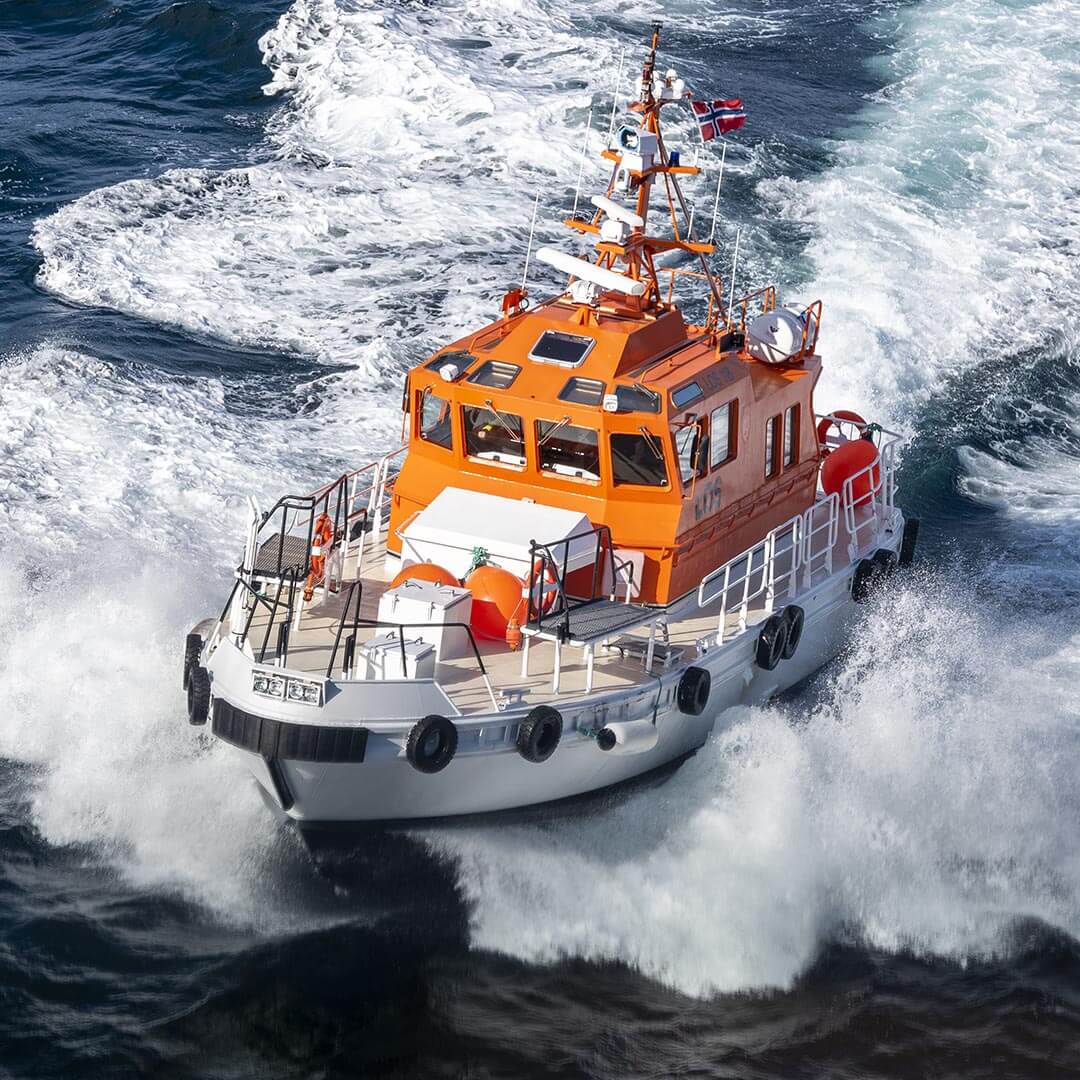
The Maritime Injury Law Firm - Representing Offshore Workers - tugboat

Common Commercial Fishing Injuries in Louisiana

Gear entanglement

Commercial fishing gear — shrimp nets and outrigger rigging, crab trap lines, oyster dredges, and finfish nets — operates under tremendous mechanical stress. When gear becomes entangled and a crew member’s body part is caught in a line, net, or winch, the result can be instantaneous and catastrophic. Amputation, degloving, and crush injuries from gear entanglement are among the most serious injuries in commercial fishing. These accidents are frequently caused by inadequate guarding on winches and haulers, worn or frayed gear, and crew operating in unsafe proximity to running equipment.

Capsize and flooding

Louisiana’s coastal and Gulf waters are subject to rapid weather changes — afternoon thunderstorms, squalls, tropical systems, and Gulf swells that develop faster than forecast models predict. Overloaded vessels, inadequately maintained bilge systems, compromised hull integrity from corrosion and deferred maintenance, and failure to check weather forecasts before departure are all causes of fishing vessel capsizing. Man-overboard incidents from capsizing are often fatal.

Deck slip and fall

Commercial fishing decks are among the most hazardous work surfaces in any industry. Fish slime, seawater, bait, and ice make decks constantly slippery. Nets, lines, traps, and equipment create trip hazards that move and change throughout a working day. Falls on fishing vessel decks cause serious back injuries, head injuries, and broken bones — and a fall overboard from a vessel underway can be fatal.

Overboard falls

Falls overboard from commercial fishing vessels in Louisiana’s coastal and Gulf waters happen regularly. The causes include failure to maintain adequate guardrails on older vessels, working alone on deck without a buddy system, fatigue, and being struck by swinging gear or rigging. Recovery from the water after a fall overboard is uncertain — currents, vessel speed, and distance from shore all affect survival.

Winch and mechanical injuries

Commercial fishing vessels use winches, net haulers, hydraulic systems, and mechanical equipment that is often old, poorly maintained, and operated under pressure to keep up with the catch. Equipment failures — broken cables, hydraulic line ruptures, jammed haulers — cause serious injuries when they occur during active fishing operations.

Occupational illness

Commercial fishermen face long-term health effects from years of physical labor in cold, wet conditions — hearing loss from engine noise, repetitive stress injuries, back disease from lifting and hauling, and respiratory conditions from chemical exposures in the bilge and engine room. These occupational illness claims are recoverable under maritime law if they arose from or were aggravated by unsafe working conditions.

Your Rights as a Commercial Fisherman

Commercial fishermen who work as crew aboard Louisiana fishing vessels, not as independent vessel owners, are Jones Act seamen. This covers deck crew on shrimp boats, oyster luggers, crab boats, and finfish vessels. As a Jones Act seaman you are entitled to:

  • Sue your employer for negligence under the Jones Act
  • Claim unseaworthiness against the vessel owner for unsafe vessel conditions
  • Maintenance and cure — living expenses and medical costs from the date of injury, regardless of fault
  • Full damages including pain and suffering, lost earning capacity, and mental anguish
  • The right to choose your own doctor
One important reality in commercial fishing cases: your employer is often a small independent owner-operator rather than a large corporation. This affects how claims are pursued in practice; particularly whether the vessel owner carries adequate insurance. George has experience navigating the commercial fishing insurance landscape and knows how to pursue recovery even from smaller operators.

What to Do After a Commercial Fishing Injury

  1. Report in writing immediately. Fill out an injury report describing every unsafe condition. Be thorough — this document becomes evidence.
  2. Document everything. Photograph the scene, equipment, and your injuries. Get witness names. Note what supervisors said and did.
  3. Don’t give a recorded statement. The company’s adjuster works for them, not you. Don’t speak to them before calling an attorney.
  4. Choose your own doctor. You have a legal right to an independent physician. Company doctors are financially aligned with your employer.
  5. Call us before signing anything. Early settlement offers are almost always worth a fraction of case value. Call (504) 584-6300 first.

Why George Vourvoulias

  • Masters Degree in Admiralty, Tulane University Law School, New Orleans
  • 20+ years practicing exclusively in maritime and offshore injury law
  • Admitted to U.S. District Courts for Eastern, Middle, and Western Districts of Louisiana and the Fifth Circuit
  • Member: Trial Lawyers College, Louisiana State Bar, New Orleans Bar, International Society of Barristers
  • 100% contingency fee — no fee unless we recover for you
  • You work directly with George — not a paralegal or associate
The Maritime Injury Law Firm - Representing Offshore Workers - tugboat

Frequently Asked Questions About Commercial Fishing Injuries

I’m a commercial fisherman and my boat owner says I’m an independent contractor, not an employee. Am I covered by the Jones Act?

Possibly. Possibly. Courts look at the actual economic reality of the relationship, not just the label the boat owner uses, to determine whether a worker is a seaman employee under the Jones Act. If the owner controls when and how you work, provides the vessel and equipment, and directs your fishing operations, you may qualify as an employee regardless of what your agreement says. Many fishing boat owners misclassify crew as independent contractors specifically to avoid Jones Act liability. Call us for a free evaluation.

The vessel I was injured on was old and in bad condition. Does that help my case?

Yes. Unseaworthiness, the vessel owner’s absolute duty to provide a seaworthy vessel, is one of the most powerful theories of recovery in maritime law. Unlike the Jones Act negligence claim, unseaworthiness does not require proof that anyone was at fault. If the vessel’s condition, (worn equipment, corroded structures, leaking hull and defective gear) contributed to your injury, the vessel owner can be held absolutely liable. An old, poorly maintained fishing vessel is often the strongest unseaworthiness case available.

My captain told me the weather was fine and it wasn’t. Can I hold him responsible?

Yes. Under the Jones Act, your employer is responsible for the negligence of the vessel’s captain and any crewmember whose carelessness contributed to your injury. A captain who dismisses credible weather forecasts, continues operations in deteriorating conditions against the reasonable objection of crew, or fails to monitor weather broadcasts can be found negligent. The employer is liable for that negligence even if they weren’t personally present on the vessel.

I was fishing on a small bayou boat, not a Gulf vessel. Does maritime law still apply?

Yes. Maritime law covers all navigable waters in Louisiana — including the bays, bayous, and waterways of Terrebonne, Lafourche, St. Mary, Plaquemines, and other coastal parishes. The vessel doesn’t need to be a large offshore boat. Shrimp boats, oyster luggers, and crab boats operating on Louisiana’s inshore waters are vessels in navigation for purposes of maritime law.

I can’t afford to miss a season to deal with a lawsuit. How long does this take?

Many maritime injury cases settle without going to trial, and settlements can be reached faster than full litigation. However, a quick settlement offered by the vessel owner or their insurer immediately after an injury is almost always worth significantly less than the case’s full value. Before accepting any settlement, have George evaluate the offer. The consultation is free, takes little time, and could make an enormous difference in what you receive.

Contact a Louisiana Commercial Fishing Injury Lawyer

Louisiana’s commercial fishermen work one of the most dangerous jobs in America to support their families and their communities. If you or a crew member has been injured on a fishing vessel in Louisiana, call The Maritime Injury Law Firm today.

Call (504) 584-6300 — free and confidential, 24/7

Let us help you right the ship.

Click or call (504) 584-6300 to schedule a free and confidential consultation
SCHEDULE A FREE AND CONFIDENTIAL CONSULTATIONCALL (504) 584-6300

Send Us a Message